What is Form when it refuses to stay still?
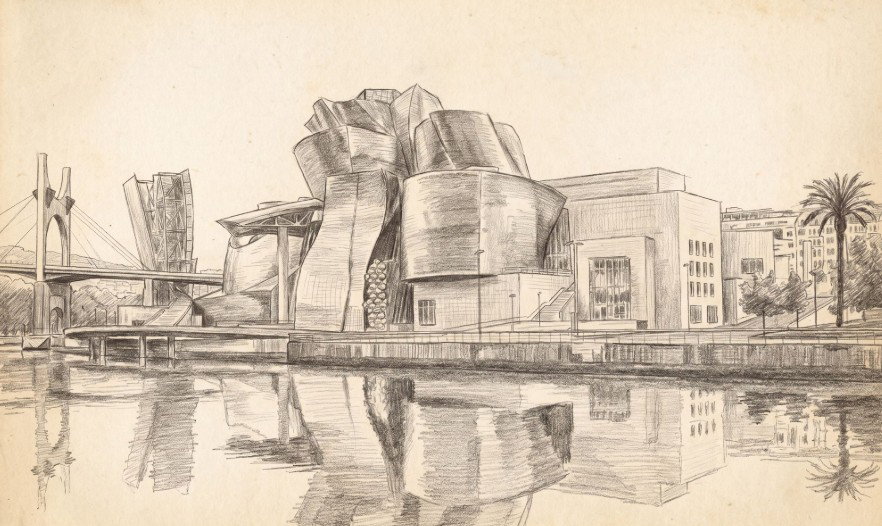
Form has long been associated with stability, symmetry, and control. Yet the Guggenheim Museum Bilbao, designed by Frank Gehry, rejects these conventions entirely. Rather than presenting a fixed or predictable structure, the building appears to shift, fold, and dissolve as it is encountered from different perspectives.
Constructed from titanium, glass, and limestone, the museum’s exterior is composed of fluid, fragmented surfaces that reflect light in constantly changing ways. Its form is not singular but multiple — each angle offering a different interpretation. As a result, the building refuses to be fully grasped in a single moment, destabilising the viewer’s expectation of architecture as something static and resolved.
"Architecture should speak of its time and place." - Frank Gehry
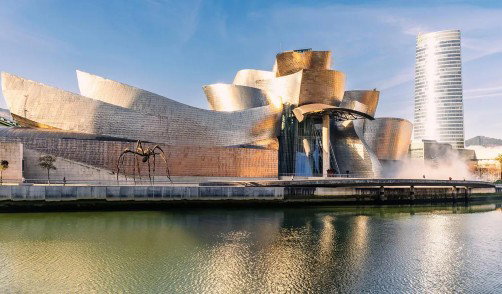
Figure 4. Guggenheim Museum Bilbao, screenshot from Guggenheim Museum website, documenting Frank Gehry's sculptural architectural form and titanium surface system. Image source: Guggenheim Museum, 2026.
Critical Reflection:
If form is constantly shifting depending on movement, light, and perspective, can it ever be considered complete?
The building’s unconventional concept challenges traditional architectural authority. It rejects rigid geometry in favour of fluidity, suggesting that form can be dynamic rather than fixed. This aligns with broader shifts in contemporary art and architecture, where boundaries between disciplines become increasingly blurred.
In relation to my own practice, the idea of unstable and shifting form strongly resonates. Through the use of ready and manufactured objects, fabric, air, and layered materials, I create sculptural installations that both conceal and distort the body, resisting fixed definition. The inflatable structures introduce a sense of movement and impermanence, where form is dependent on air, environment, and interaction.
Like the architecture of Frank Gehry, my work explores form as something that is not static but continuously evolving. Rather than presenting a resolved object, the sculptures exist in a state of becoming—shaped by context, activation, mirror reflections and perception. This instability allows the work to challenge traditional notions of solidity and permanence, opening up new ways of understanding presence and space.
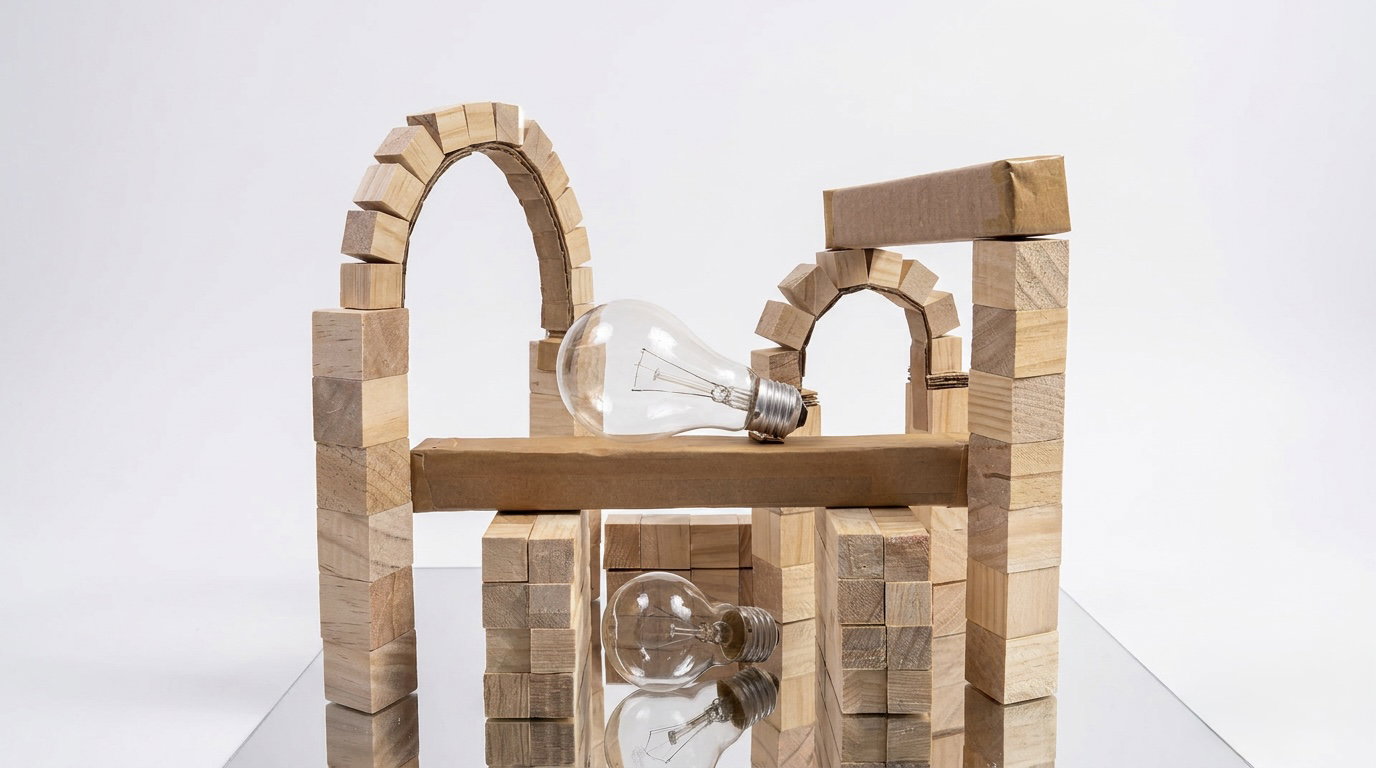
Figure 5. Degree Show Installation Maquette, scale model exploring monumentality, spatial composition, and the translation of concept into constructed form. Photograph by Cherry Ricalde, 2026.
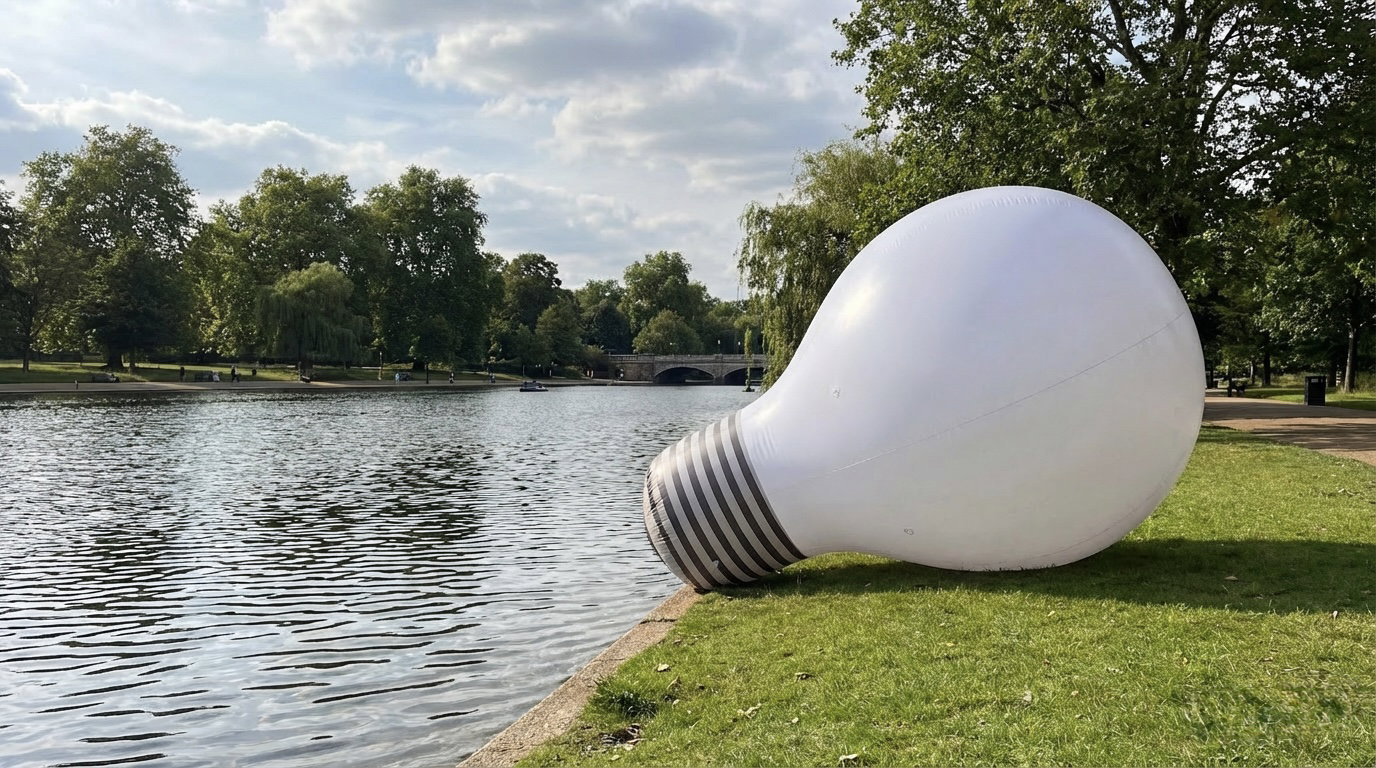
Figure 6. Inflatable lightbulb at Serpentine Lake, public installation, photograph, London. Photograph by Cherry Ricalde, 2026.
