How the World's Greatest Forms were Built?
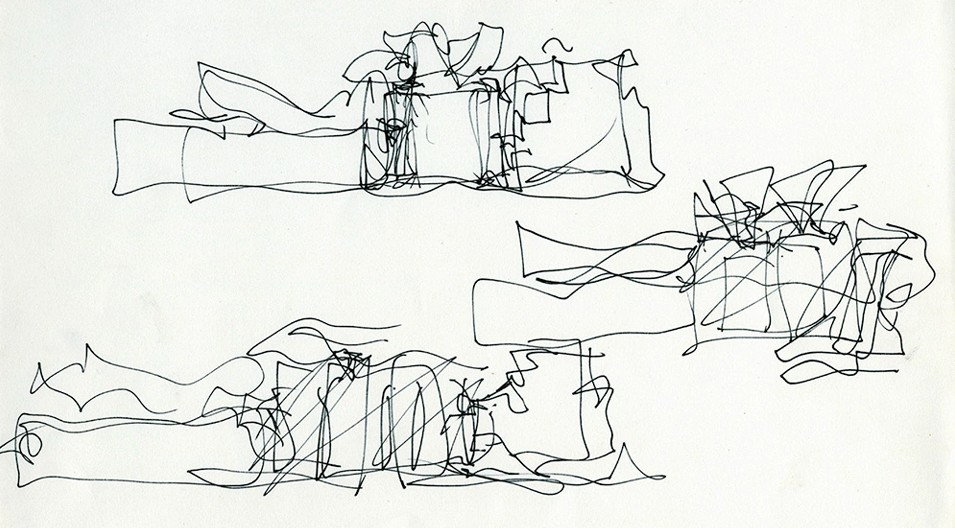
What is an ICON?
Is an Icon defined by scale, material, presence or something less visible, like memory, power or absence?
This digital portfolio investigates how iconic forms are constructed across sculpture and architecture, examining not only what they are, but how they come into being. From classical to contemporary icons, these works challenge the boundaries between body, structure, and space.
Developed as a web-based platform for Unit 10 Element 2, this project adopts a non-linear and immersive format that reflects the digital-first nature of contemporary sculpture and architectural practice. Through visual analysis, process-based investigation, and interactive presentation, it seeks to reveal the often unseen elements behind monumental and culturally significant works.
This enquiry also informs my own sculptural practice, which explores themes of feminism, absence, and the body. By examining how iconic forms occupy and construct space, I seek to understand how my work might similarly engage with presence, visibility, and power - whether through monumentality or more subtle approaches.
Why SCALE matter?
Monumental works do not simply occupy space - they dominate, confront and reshape the viewer's physical and emotional experience. 'Size Matters' is a common saying and Scale transforms the relationship between the body and the object, often reinforcing ideas of power, permanence, and visibility.
This project approaches iconic works not as static masterpieces, but as constructed phenomena shaped through process, labour, engineering, and conceptual intent.
Through a series of case studies, I examine how these works are built, what they communicate, and how they influence my own sculptural practice, particularly in relation to feminism, absence and body.
Visual references below include works by Zaha Hadid, Yayoi Kusama and Rachel Whiteread which I have used to explore ideas of scale, spatial perception, material transformation and construction of iconic form within contemporary sculpture and architecture.
Heydar Aliyev Centre by Zaha Hadid
The Heydar Aliyev Centre transforms traditional structure into fluid spatial movement. Its continuous white surface eliminates visible joints, creating the impression of a building in constant motion. Rather than reading as a static object, it behaves like a sculptural landscape, challenging the boundary between architecture and form. Thousands of individually shaped cladding panels in Glass Fibre Reinforced Concrete (GFRC) and Glass Fibre Reinforced Polyester (GFRP) were fabricated to produce the building's fluid surface.
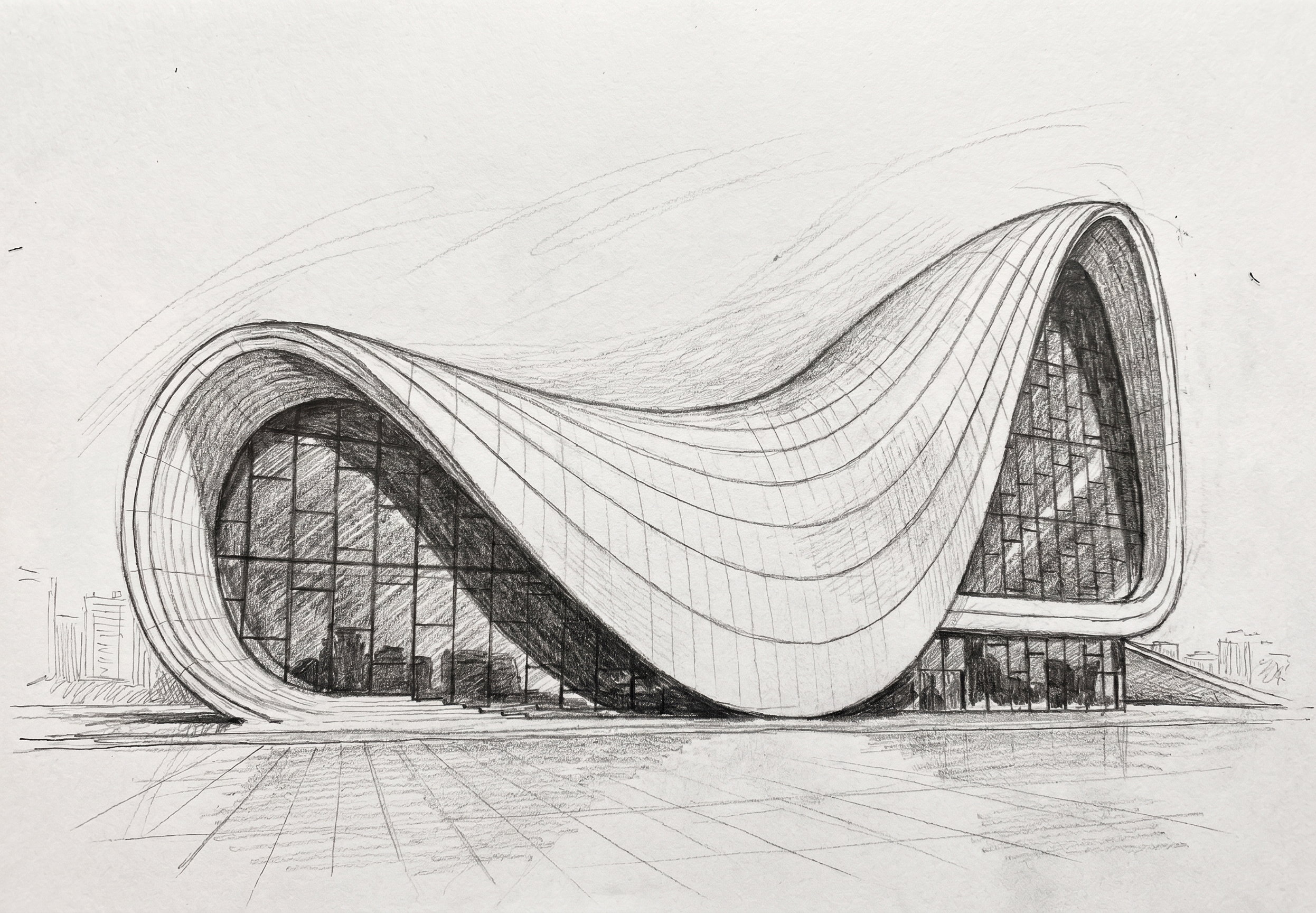
Figure 1. Heydar Aliyev Centre sketch after Zaha Hadid, which I digitally enhanced from an image from Zaha Hadid official website to reinterpret architectural fluidity through drawing rather than photography. Image adapted by Cherry Ricalde, 2026.
Infinity Mirror Rooms by Yayoi Kusama
The Infinity Mirror Rooms construct immersive environments through repetition, reflection and light. The viewer becomes part of the work, dissolving spatial boundaries and producing an illusion of endless scale within a MIrror Room. The experience is dependent on movement, perception, and time combined with the viewers active participation
Figure 2. Infinity Mirror Sketch after Yayoi Kusama, digitally reworked from Yayoi Kusama official website to emphasise repetition, immersion, and spatial illusion through illustrative translation. Image adapted by Cherry Ricalde, 2026.
House by Rachel Whiteread
The House casts the interior space of a domestic structure, transformed by absence into a solid form. By preserving negative space, the work traces lived experiences that are usually hidden or erased. Its eventual demolition becomes part of its meaning, reinforcing its commentary on memory, loss and urban change.
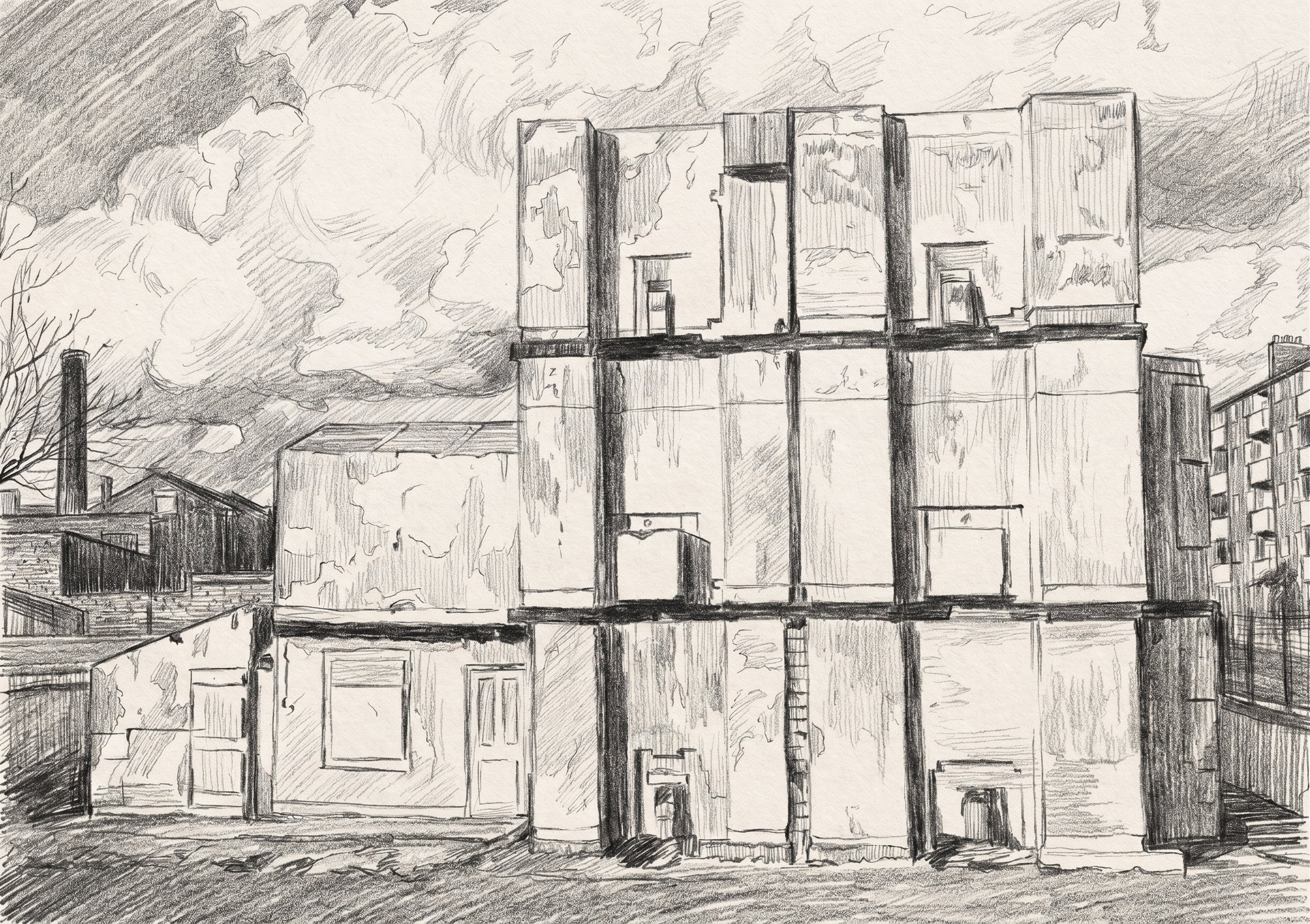
Figure 3. House sketch after Rachel Whiteread, digitally converted from Tate official website as photographic reference to highlight absence, negative space, and architectural void through drawing. Image adapted by Cherry Ricalde, 2026.
