Who does monumentality serve?
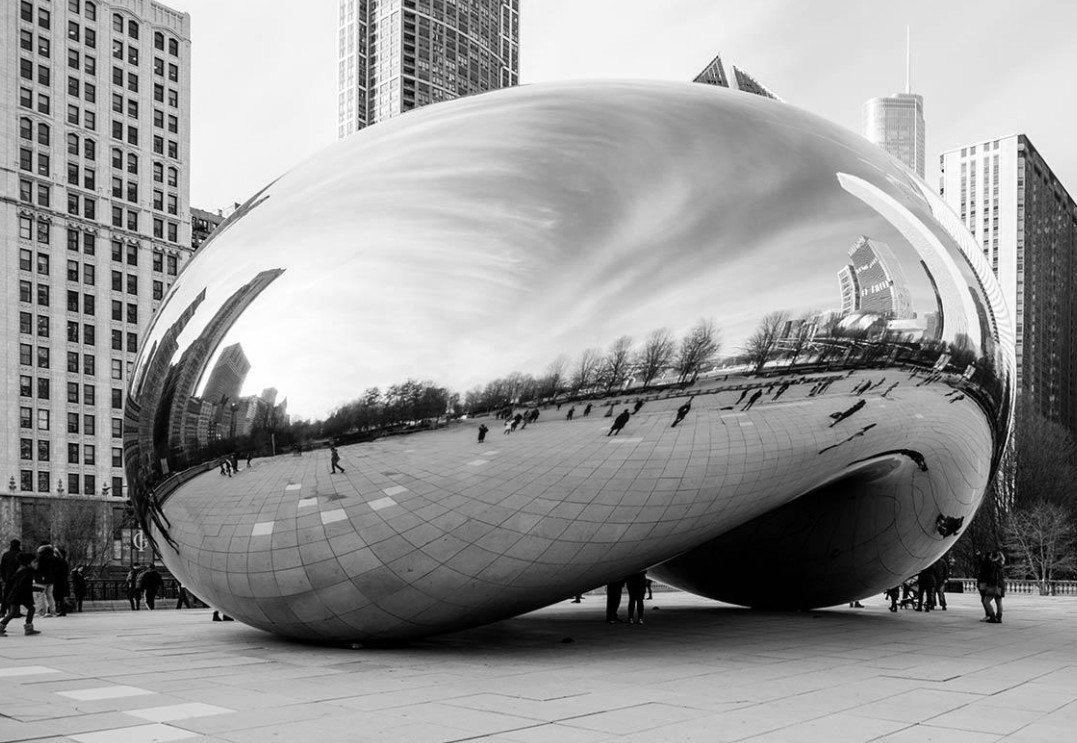
Who benefits when something becomes monumental - the state, the city, memory or the individual?
Monumentalism has from time immemorial been politicised by rulers, whether govenmental or Corporate to impress and control the proletariat.
Anish Kapoor's Cloud Gate or what Chicagoans nicknamed as "The Bean" looks effortless but required extraordinary engineering and precision welding. The mirror surface hides its construction and seams were painstakingly polished away so the object appears almost magically executed.
He was originally worried about public interaction, yet people touching and photographing it became central to his work. Unlike traditional monuments celebrating heroes, his Cloud Gate monumentalises the public itself which becomes the subject.
Kapoor built a monument with no king, no military triumph and no singular narrative. Its surface reflects everyone and therefore belongs to no one and everyone simultaneously.
Process: fabrication, welding, mirror polishing.
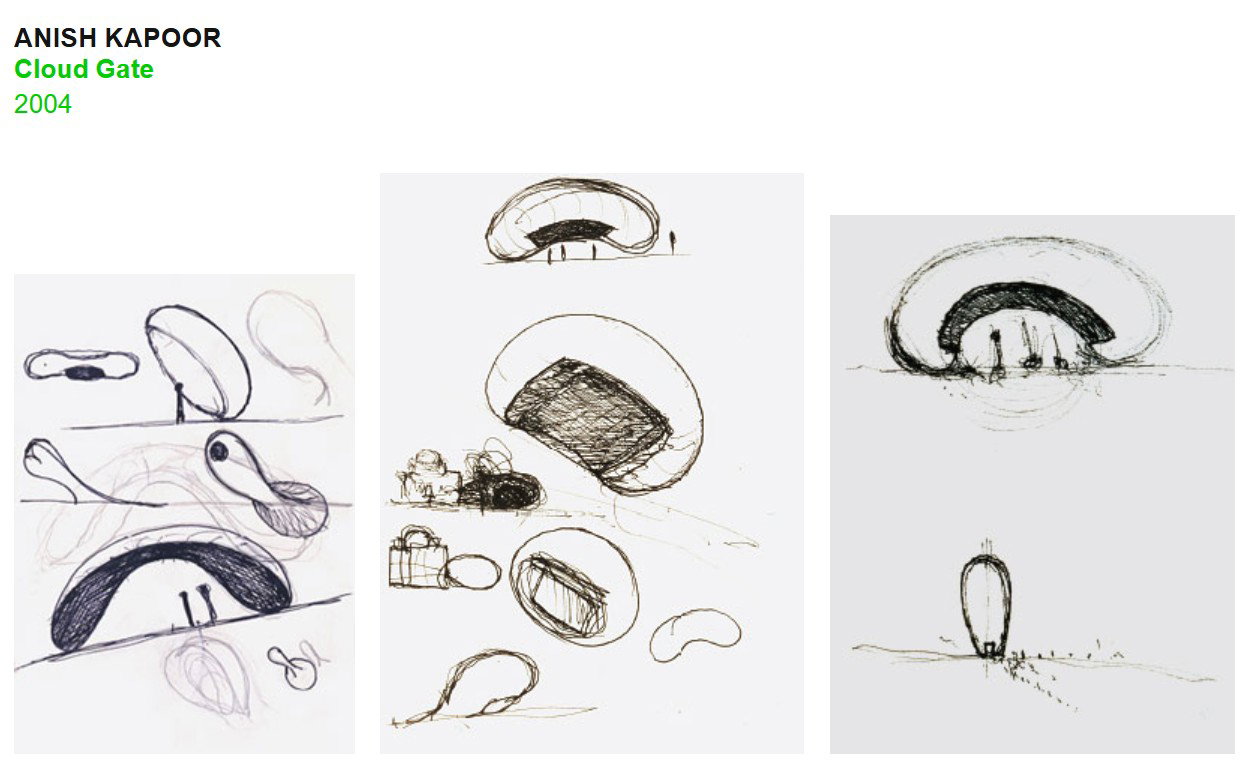
Figure 9 . Cloud Gate sketches by Anish Kapoor (2004), sourced from the artist architectural website showing development drawings exploring reflective surface and public interaction. Image source: Anish Kapoor official website, 2026.
Can a Home Become a Monument?
Traditional monuments are often built to honour power, permanence, authority and public power since they are mostly constructed from stone, bronze and architecture intended to endure across generation.
However, in Seoul Home/L.A. Home by Do Ho Suh, he proposes a different kind of monument, one built from memory and migration and recreates spaces of personal significance. His translucent architectural structures are carefully measured and sewn from fabric, transforming remembered homes into suspended environments that appear simultaneously present and ghost-like.
Seoul Home/L.A Home does not monumentalises victory or political history; instead it monumentalises belongings.
Process: architecture through sewing and memory.
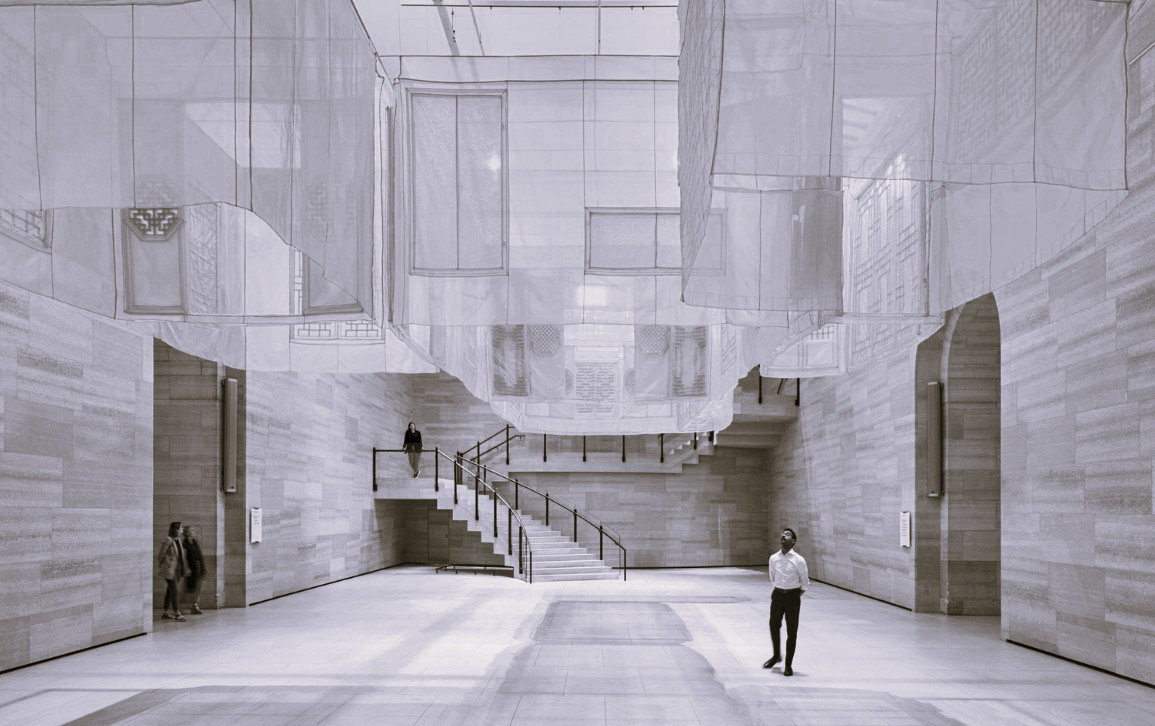
Figure 10. Seoul Home/L.A. Home by Do Ho Suh, black-and-white digital adaptation from Instagram reference image by lehmannmaupin and visitpham, emphasising translucency, memory, and architectural displacement. Image adapted by Cherry Ricalde, 2026.
Can Absence become Architecture?
The House by Rachel Whiteread transformed absence into monument. Built in East London's former working class district of Bow, the sculpture was created by casting the interior void of a Victorian terraced house in concrete before it was demolished. Rather than commemorating heroes or power, Whiteread preserved the hidden spaces of domestic life like hallways, rooms and traces of everyday existence.
Only eleven weeks after its completion, House was demolished by the local council despite public campaigns to preserve it. In a striking irony, Whiteread simultaneously received the Turner Prize and the K Foundation's provocative "worst artist award, exposing deep divisions surrounding contemporary art and public space.
House therefore became more than a sculpture. Its demolition became inseparable from its meaning, transforming the work into a monument not only to memory and absence, but also to contested histories and the politics of belonging.
Process: casting voids rather than objects.
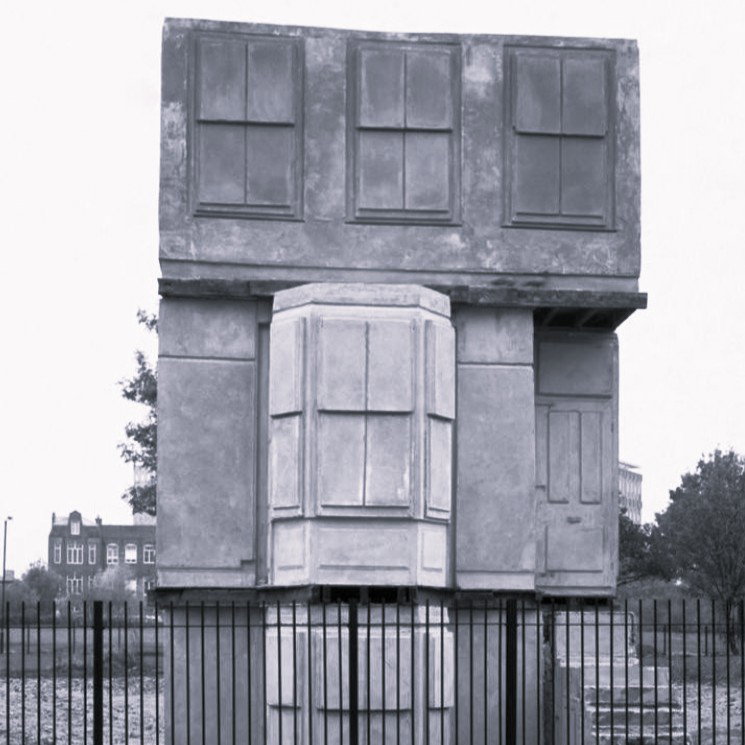
figure 11. House by Rachel Whiteread. 1993, TATE Official Website reference, photographed by Sue Omerod, digitally reworked as black and white by Cherry Ricalde, 2026.
