Is the making more important than the final form?
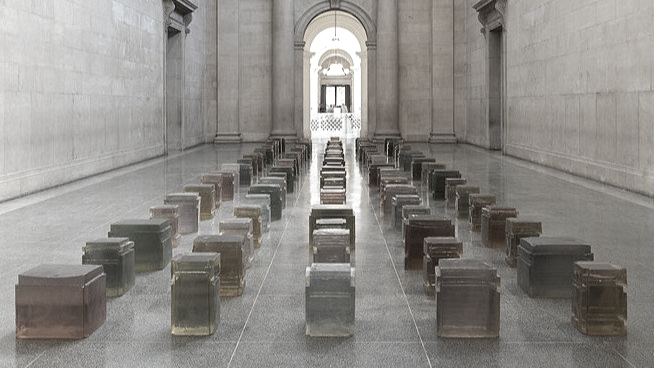
Yayoi Kusama - Infinity Mirror Rooms
Can Infinity be Constructed?
What appears visually effortless is built through careful orchestration. Kusama's practice emerged through repetitive mark-making and obsessive accumulation, where process became inseparable from meaning. Her installations are not simply designed to be viewed, they are activated through bodily presence and movement. The viewer becomes part of the construction, completing the work through perception and experience.
The making of Infinity Mirror Rooms therefore extends beyond physical fabrication. Reflection, duration, and participation become materials alongside mirrors and light. Kusama proposes that the final form is never entirely stable or complete. Instead, meaning continues to emerge through repetition and encounter.
Her work asks an important question central to contemporary sculpture: if the experience changes with every body that enters, is the work the room itself or is the process of its creation?
Process: fabrication, mass production.
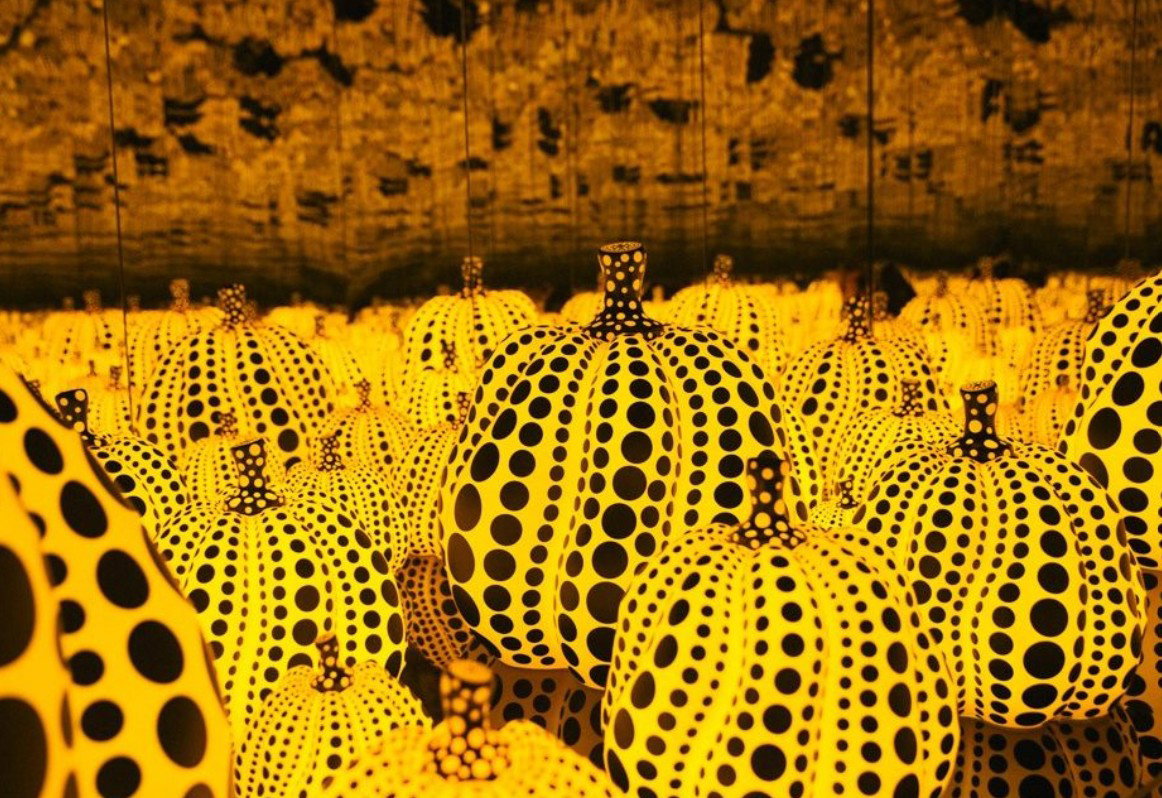
Figure 12. Infinity Mirror Rooms by Yayoi Kusama. coloured screenshot from Yayoi Kusama official website, highlighting repetition, light, and immersive spatial perception. Image source: Yayoi Kusama official website, 2026.
"My life is a dot lost among thousands of other dots." - Yayoi Kusama
Antoni Gaudi - Sagrada Familia
Can Architecture ever be Finished?
Antoni Gaudi approached architecture less as fixed design and more as a living process of experimentation. In Sagrada Familia, structure evolved through making itself. Rather than relying solely on drawings, he developed hanging models made from strings and weights, allowing gravity to shape arches and spatial forms. Construction became an act of discovery and visitors encounter not only a building, but evidence of time, labour, and adaptation.
Perhaps the most remarkable aspect of the building is its unfinished state. Begun in 1882 and continuing long after Gaudi's death, Sagrada Familia exists between monument and process. Wars, damaged models, and changing technologies altered its development, white contemporary builders now combine historical methods with digital fabrication.
Gaudi's work therefore proposes that making may hold equal significance to final form. The cathedral is not merely a completed vision frozen in stone; it is an evolving collaboration across generations, where architecture remains permanently shaped by construction itself.
Process: gravity as design tool.
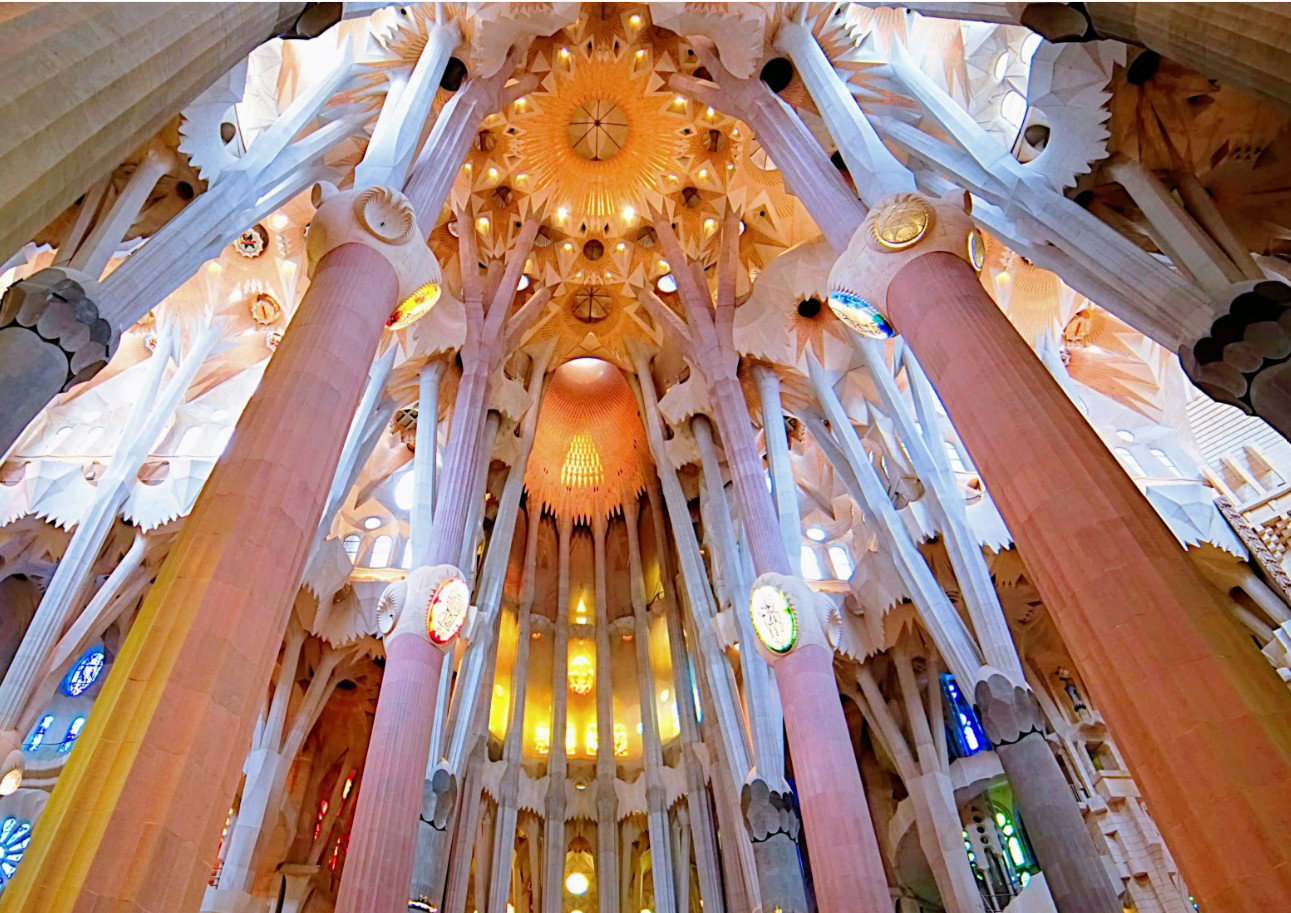
Figure 13. Sagrada Familia by Antoni Gaudi, photographic reference from official website, documenting interior and organic architecture. Image source: Sagrada Familia website, 2026.
Antony Gormley - Angel of the North
Where does the Body End and Structure Begin?
Angel of the North by Antony Gormley appears monumental and immovable, yet its creation began with intimate bodily measurement. He frequently works through casting and moulding processes based from human body, treating sculpture not simply as representation but as physical record.
Standing over twenty metres high, Angel of the North required immense engineering beneath its simplified form. Hidden foundations extend deep underground to stabilise the sculpture against strong winds, revealing that monumentality depends as much on invisible construction as visible presence.
Unlike traditional monuments that conceal their making, Gormley's work often retains traces of process. Surface seams, industrial fabrication, and structural logic remain integral to the sculpture's identity. The figure therefore exists between body and architecture, appearing both human and engineered.
The work ultimately questions whether sculpture is defined by its final appearance or by the actions that produced it. Angel of the North is not simply and image of a body in space but it is an evidence of measurement, casting, engineering, and labour made visible through monumental form.
Process: body casting and structural engineering.
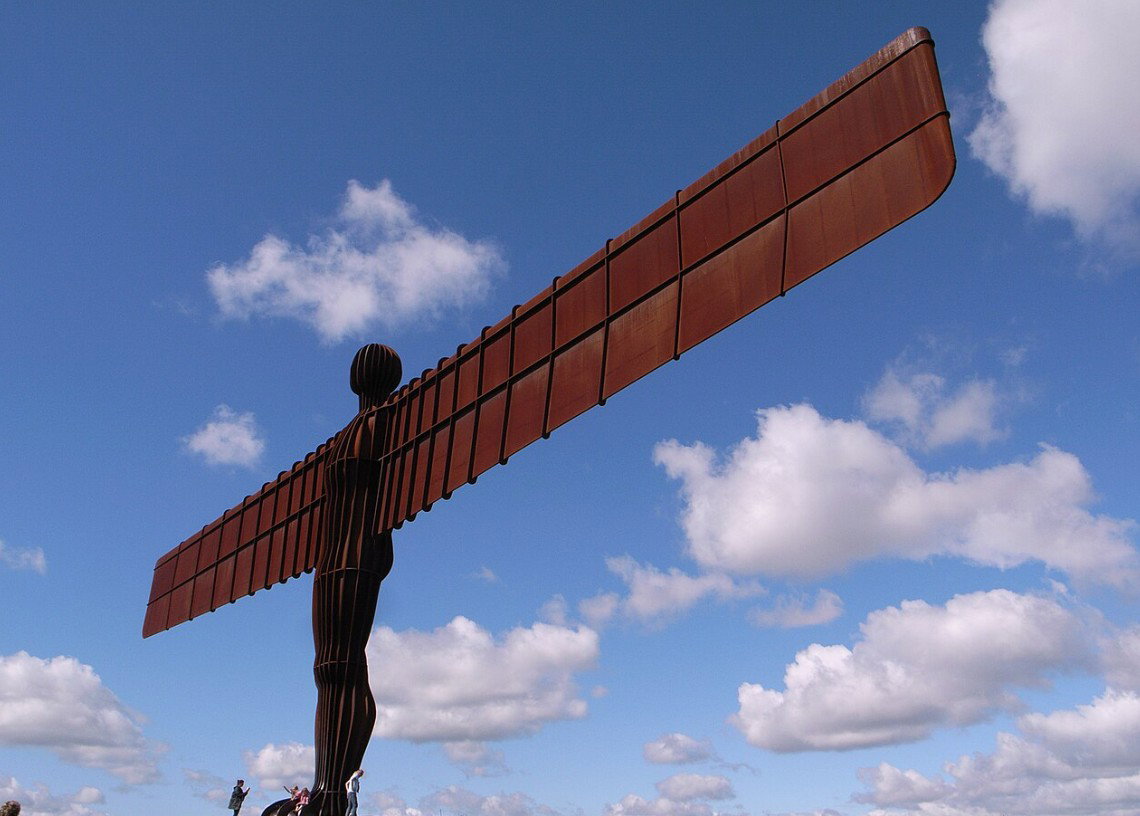
Figure 14. Angel of the North by Antony Gormley. Wikipedia image reference showing monumental steel structure and bodily scale in landscape context. Image source: Wikipedia, 2026.
Zaha Hadid - Heydar ALIYEV Centre
A video on how Heydar Aliyev was Built.
She reimagined architecture as fluid and continuously evolving. This video offers insight into the making of the Heydar Aliyev Centre, revealing how one of contemporary architecture's most iconic forms emerged through process, engineering, and spatial innovation.
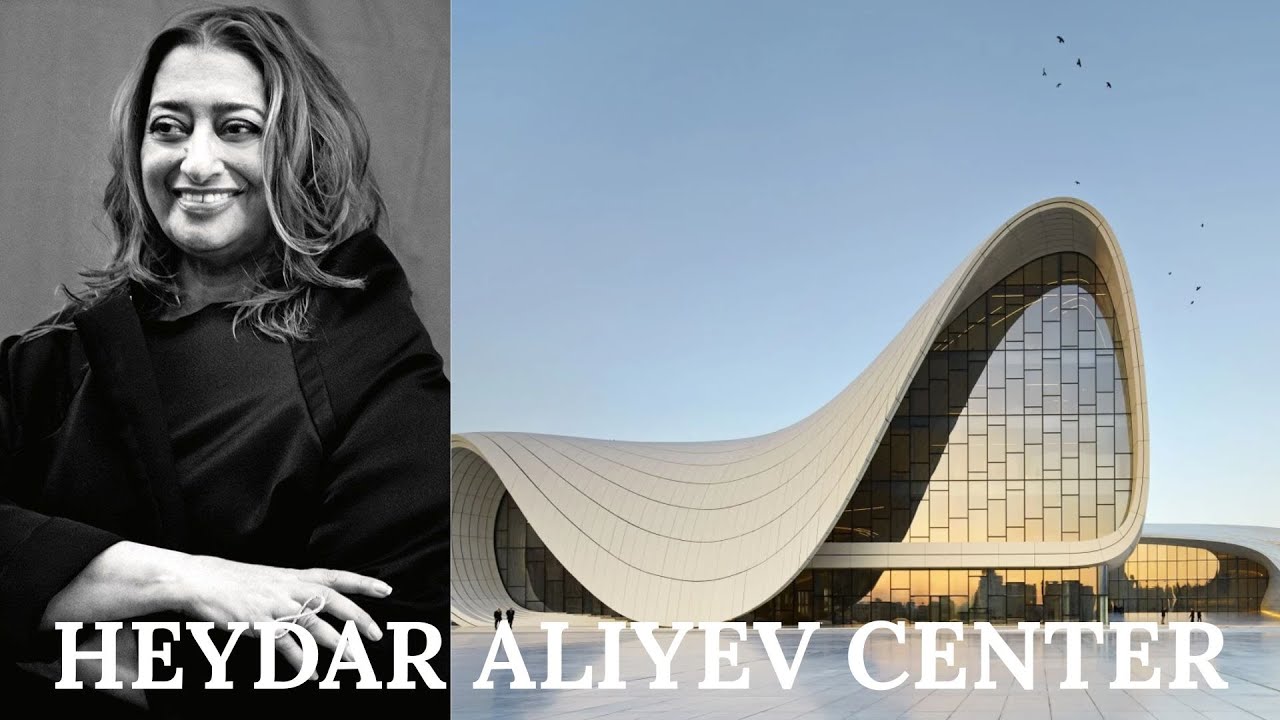
The making of the Heydar Aliyev Centre, YouTube video by UrbArchitect exploring the design process, construction and development of the cultural centre in Azerbaijan named after former President Heydar Aliyev. Source: UrbArchitect, YouTube.
